
The WaterLex Toolkit aims at assisting development practitioners in effectively contributing to the realization of the human right to water and sanitation in the country of intervention. It provides a methodology and associated tools to assist bilateral and multilateral cooperation agencies and NGOs in the development of strategies and projects integrating human rights standards and principles and positively impacting the realization of the human right to water and sanitation in a given country. It concentrates therefore on integrating a human rights-based approach into water and sanitation projects. The Toolkit addresses primarily Water-Sanitation-Hygiene (WASH) practitioners, including development cooperation agencies and NGOs. It is also useful for all actors working in the water and sanitation sector, including national and local government institutions.
The metals and minerals found in the country’s soil collectively belong to the people of Guinea. The State, acting in the name of the people, can extract these resources for the public good. Industrial mining can be done using various processes. It is important for local communities to care about industrial mining for several reasons.
All industrial mining activity has impacts (positive and negative) on local communities and so changes communities’ traditional lifestyles and systems. In order to reap the benefits and avoid the negative impacts, everyone has a role to play in a country that respects the rule of law. The possible benefits include more money, job creation, purchasing of local goods and services, and improved infrastructure and service provision. Industrial mining has many possible negative impacts on the environment (land and water), society (especially women), the economy and security.
This guide outlines different scenarios and responsibilities of the State, which is the primary protector of human rights. Its four obligations are to respect, protect, promote and give effect to these rights on the whole of its territory. Also, the responsibility of companies to respect human rights in their activities and in their commercial relationships.
When people cross their country’s border, they might not know it yet, but the world no longer sees them as it did before. They have a special label or status now: they are migrants. And because of this, they will often find themselves in an inferior position to those around them, who hold the passport of the country in which they live.
This Guide is intended as a tool for lawyers, judges, public officials, human rights defenders, or for migrants themselves, to better understand the international human rights of migrants and the means to claim their respect or implementation at the national and international levels
This resource will introduce the concept of legal clinics and describe how they have developed and succeeded in providing legal aid in several case study countries, including Russia, Poland, Ukraine, Moldova, and South Africa. It will then provide an overview of the current state of clinical legal education in Kyrgyzstan based upon the experiences of seven legal clinics based in Bishkek. Finally, it will provide recommendations on how the country could advance human rights and improve the quality of legal services overall in the country through the support and further development of clinics as service providers.
Kenya has a population of over 40 million, officially 42 ethnic groups, probably 60 or more depending on definitions. There are economic, social and cultural inequalities, which can be found throughout the country and generally a sense that the country has not yet learnt to effectively harness its diversity as a strength in its development but rather it has a large number of ethnic, social, cultural and other fault-lines which have consistently divided people against each other. This report looks into these inequalities and provides an analysis of the factors contributing and perpetuating social exclusion in Kenya.
An article imploring for the publication of the Sierra Leone Law report of cases decided by the Superior Court of Judicature in Sierra Leone so as to enhance access to justice by the people of Sierra Leone. The report will also serve as a tool for legal empowerment of the people.
Sierra Leone Law report ceased publication since 1971.
WILPF Cameroon was created to ensure that Cameroonian women get involved in the global quest for social justice, especially as the country was facing increasing regional security challenges, the influx of refugees into the Northern and Eastern parts of the country and that is the reason why she decided to subscribe to a membership to WILPF considering the urgent need to focus on peace building, demilitarization and women’s rights.
Mission: Contribute to social stability by building a movement of women peacemakers to end and prevent war and ensure that women are represented at all levels in the process of consolidation of peace, to defend women’s human rights, and to promote social, economic and political justice.
Headquartered in New York City, UNICEF provides long-term humanitarian and developmental assistance to children and mothers in developing countries. It is one of the members of the United Nations Development Group and its Executive Committee. Most of UNICEF’s work is in the field, with staff in over 190 countries and territories. More than 200 country offices carry out UNICEF’s mission through a program developed with host governments. Seven regional offices provide technical assistance to country offices as needed.
Children’s Rights International Mission is:
To promote, protect and advance the human rights of children, primarily in developing countries, and to promote understanding of, adherence to and effective implementation of the United Nations Convention on the Rights of the Child (UNCROC).
To achieve these objectives the organization works with the approval of host country governments and in partnership with host country organisations or community groups committed to the rights of children. Such work may be project based and involve education, training, mentoring, monitoring and representation.
CRI also seeks to bring together eminent judges, lawyers, psychologists, medical practitioners, mediators, counsellors, mental health workers, media representatives, child carers, teachers & allied professionals to share and contribute their specialised knowledge and experience in a practical manner to protect and advance the interests of children.
It has no political or religious affiliations or allegiances.
Since 2023, the Grassroots Justice Network (GJN) and Namati country programs have been bringing together frontline justice actors to understand how carbon projects are impacting communities. Since then, GJN members at the frontline of collective action have predicted there would be increasing pressure on national governments to quickly create national carbon laws and regulations. This pressure was ultimately apparent in COP29, where national rules governing carbon markets were key priorities so government-to-government trading could begin as soon as possible.
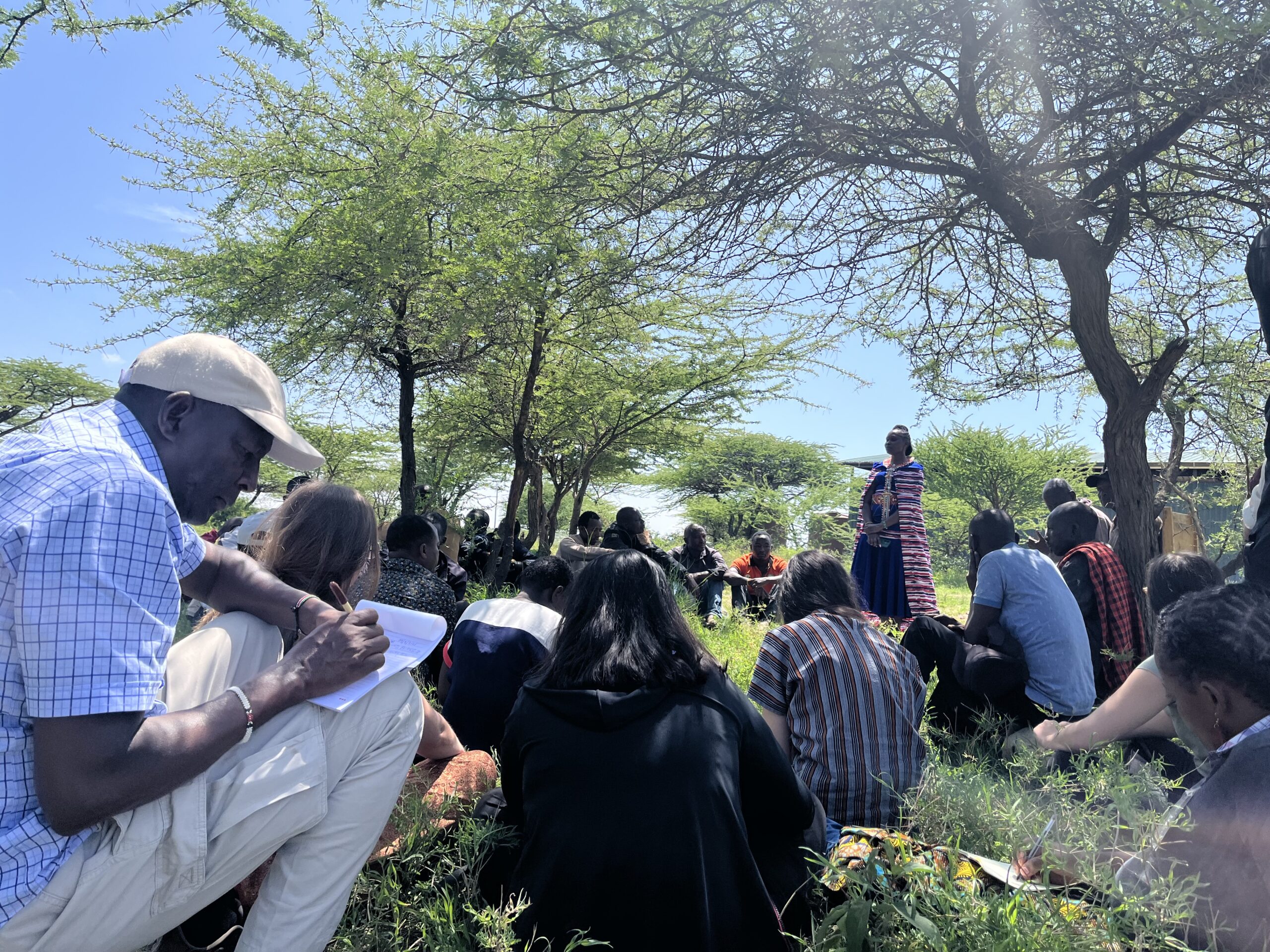
In April 2025, we brought together 33 GJN members and Namati country teams who are advocating for better national carbon policies. Building on the carbon justice principles and the policy toolkit, we had two goals: to strengthen our policy asks and to prepare for community organizing to foster change at the national level. We had invigorating, detailed discussions for 7 days, some of which are highlighted below:
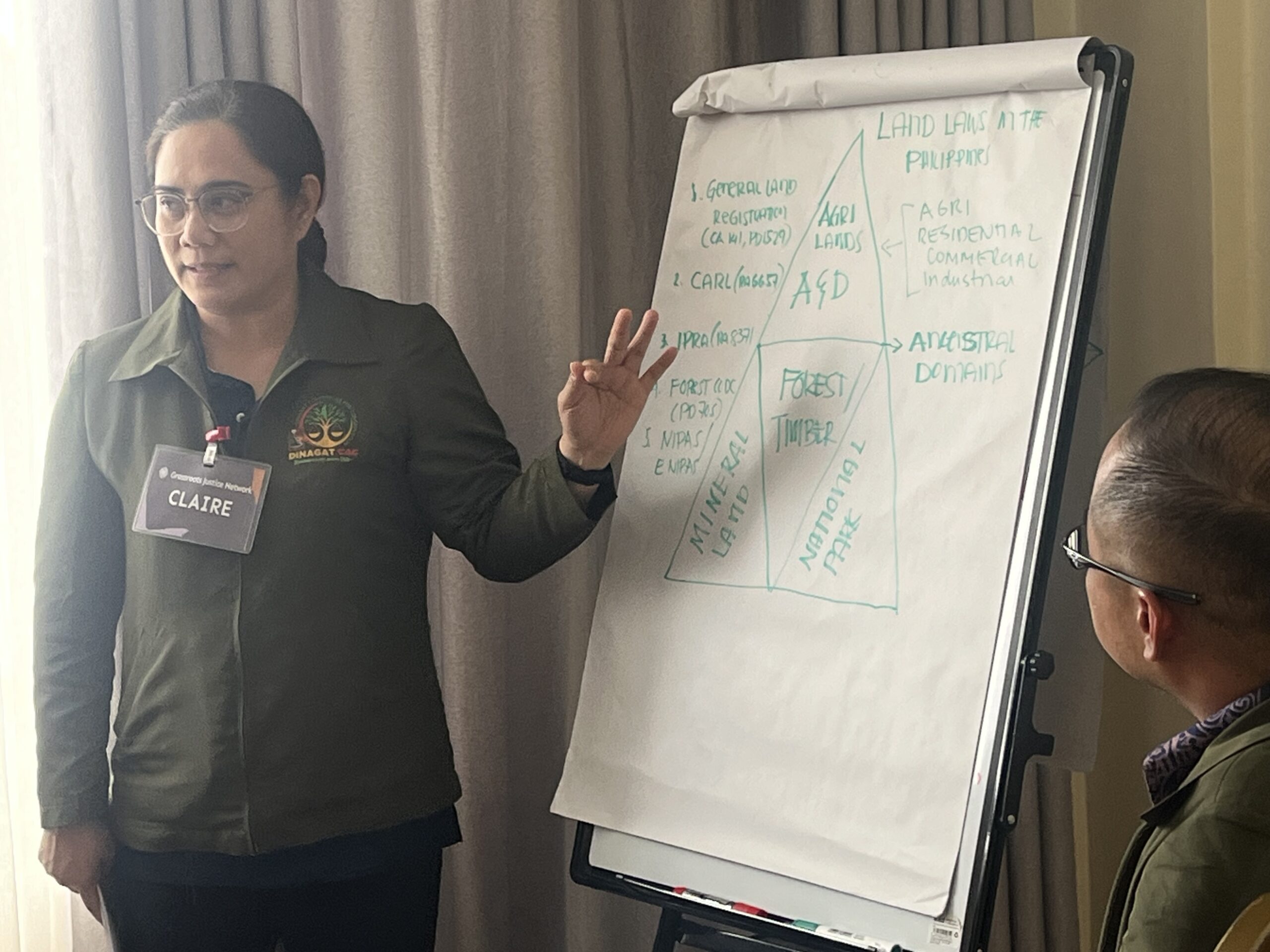
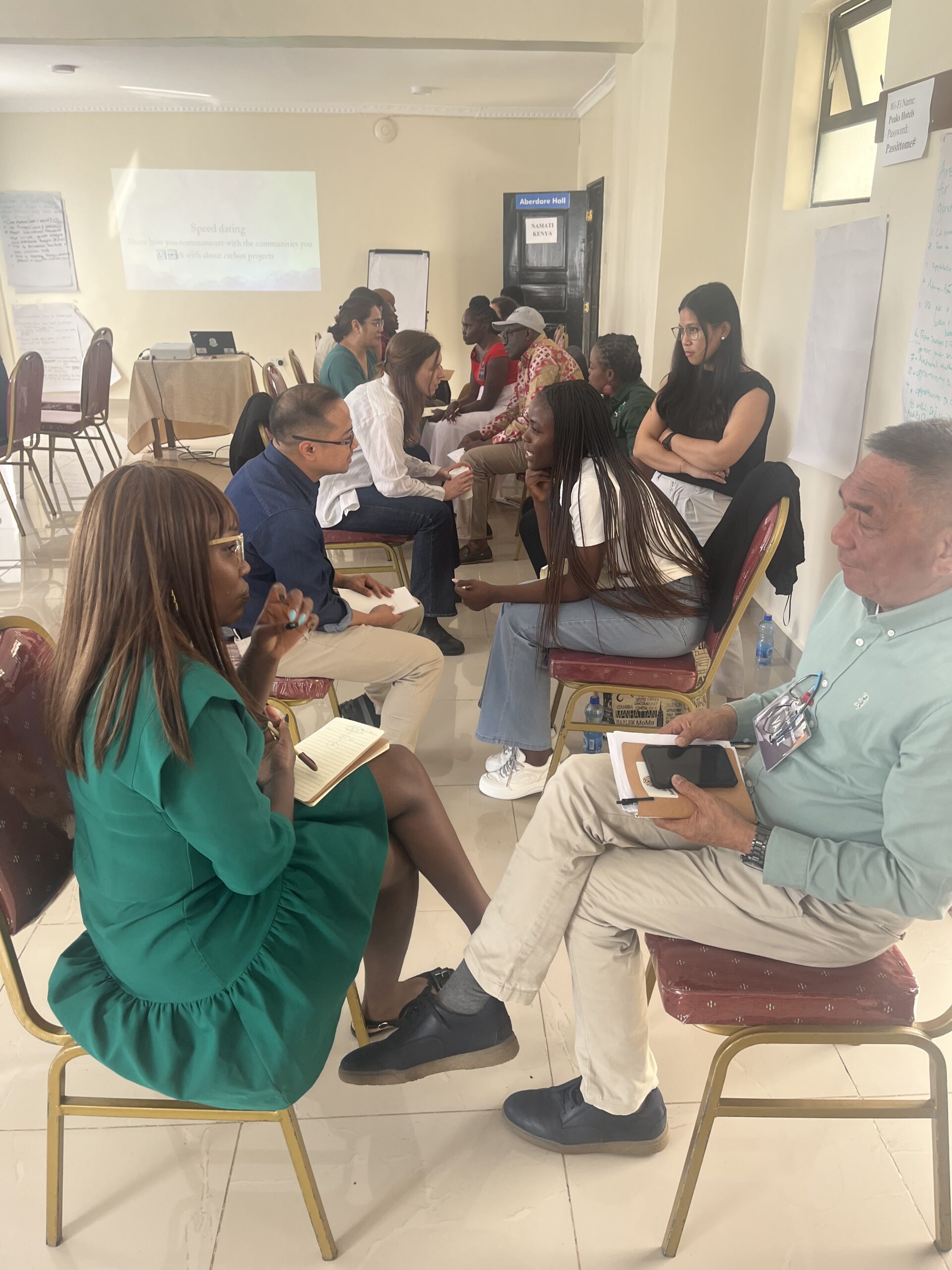
After reflecting on the lived experiences of communities impacted by carbon projects, the dynamic group left with several concrete ideas to improve national legislation, including:

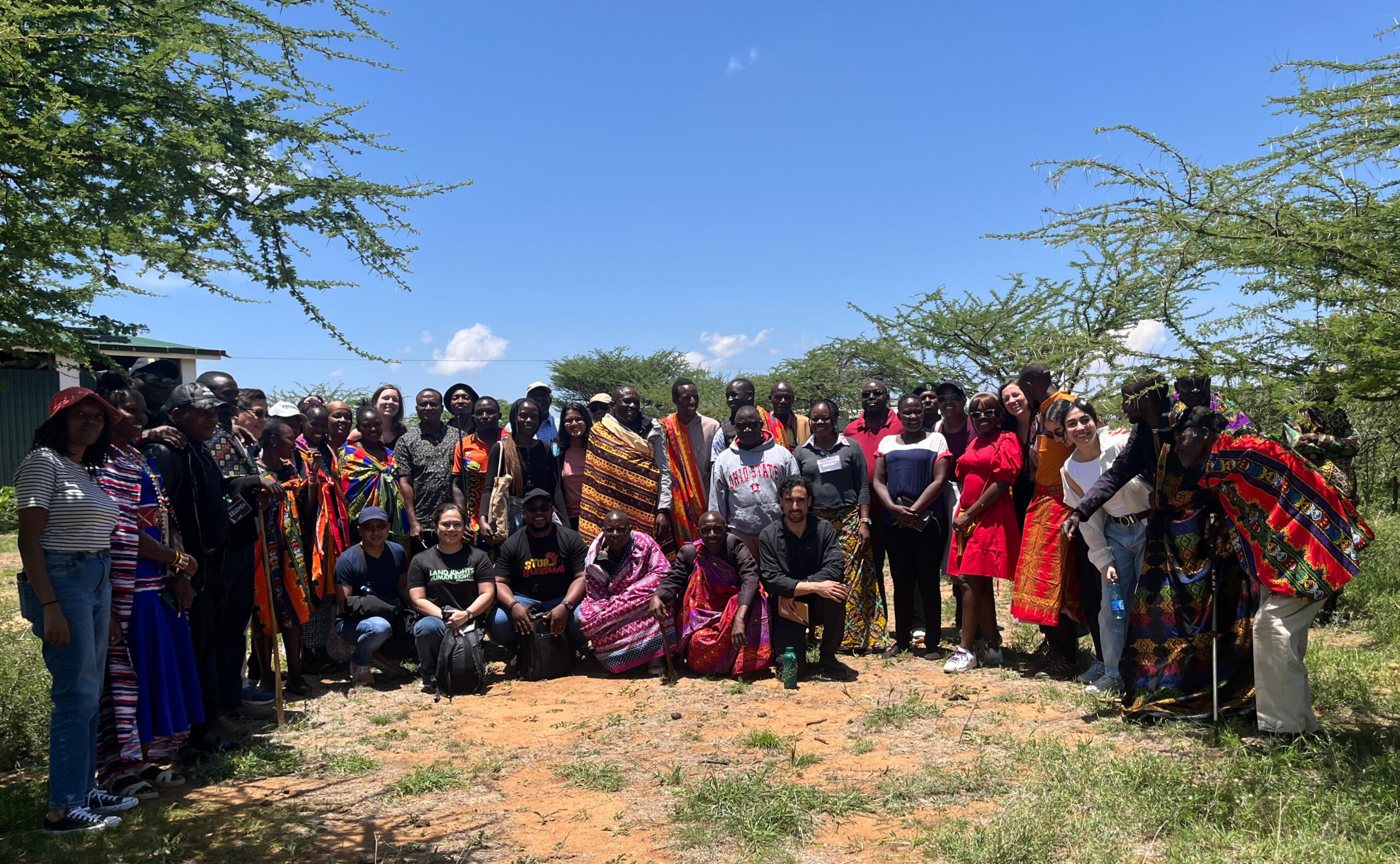
Musul community shares their experience navigating carbon projects in their land.
A dedicated platform through Whatsapp connecting grassroots leaders facing similar challenges in national carbon advocacy is in place, with regular updates sent to those channels. Countries where carbon rules are moving quickly and where GJN and Namati have room for influence would be top priorities moving forward – countries like Kenya, Liberia, Peru, Brazil, Philippines, and Sierra Leone. Shared learning spaces between other countries of concern – Zambia, Chile, Guyana, Zimbabwe, DRC, India, to name a few – would also continue through regular working group meetings, Network-wide calls, and newsletters as part of GJN’s broader campaign on carbon justice.