Recap: National Carbon Legislation Learning Exchange
Since 2023, the Grassroots Justice Network (GJN) and Namati country programs have been bringing together frontline justice actors to understand how carbon projects are impacting communities. Since then, GJN members at the frontline of collective action have predicted there would be increasingpressure on national governments to quickly create national carbon laws and regulations. This pressure was ultimately apparent in COP29, where national rules governing carbon markets were key priorities so government-to-government trading could begin as soon as possible.
What we learned
In April 2025, we brought together 33 GJN members and Namati country teams who are advocating for better national carbon policies. Building on the carbon justice principles and the policy toolkit, we had two goals: to strengthen our policy asks and to prepare for community organizing to foster change at the national level. We had invigorating, detailed discussions for 7 days, some of which are highlighted below:
While discussions about carbon markets tend to be polarized, the reality for communities tends to be more nuanced. Most often, carbon projects require changes in how communities use their land, but they also represent financial opportunities and protection from environmentally destructive activities, such as mining and illegal logging.
Our members are at varying stages of influencing national carbon legislation. Some countries have national regulations that address carbon projects; others have amended climate change rules to include carbon trading, while others have passed bills that are currently in review. Tools like power mapping and messaging were valuable in moving advocacy discussions forward despite our varied experiences.
Insecure land tenure is often the root problem for many carbon projects. While most countries have land laws, most of them are inconsistently implemented across government agencies or do not recognize community tenure rights at all. Moreover, it is usually not clear how carbon rights are defined for different land types (public, private, agricultural, or Indigenous Peoples’ lands, for example).
Fully community-owned carbon projects require years of community learning and national advocacy. In some countries, there are efforts to empower communities to lead and own carbon projects, even combining ecotourism as an alternative source of income. Across the board, there is a strong desire to go beyond benefit sharing to controlling and managing projects.
Gendered implications are often overlooked in carbon projects. The negotiations focus instead on women being beneficiaries as opposed to enabling their full participation in decision-making processes at the project level.
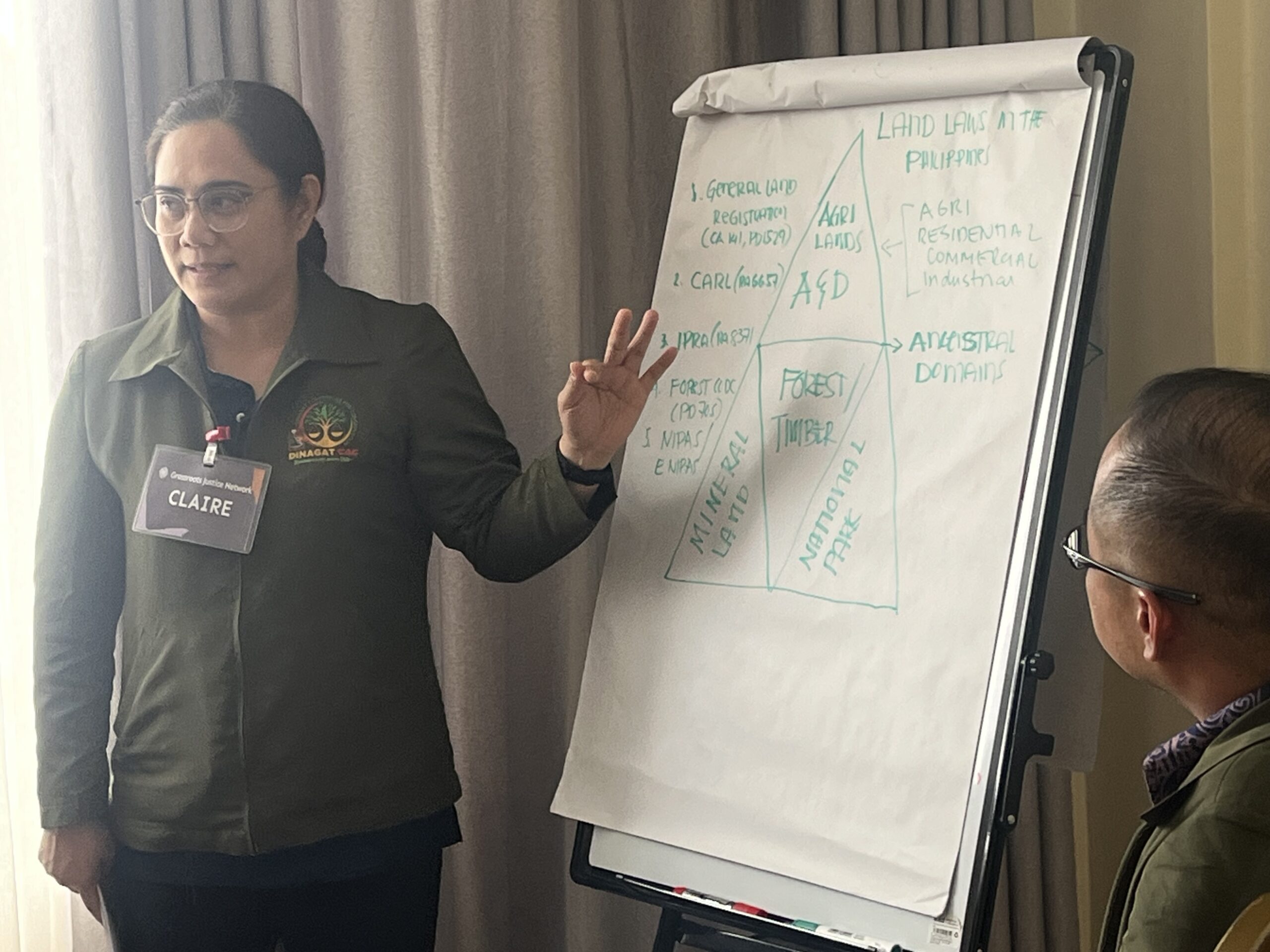
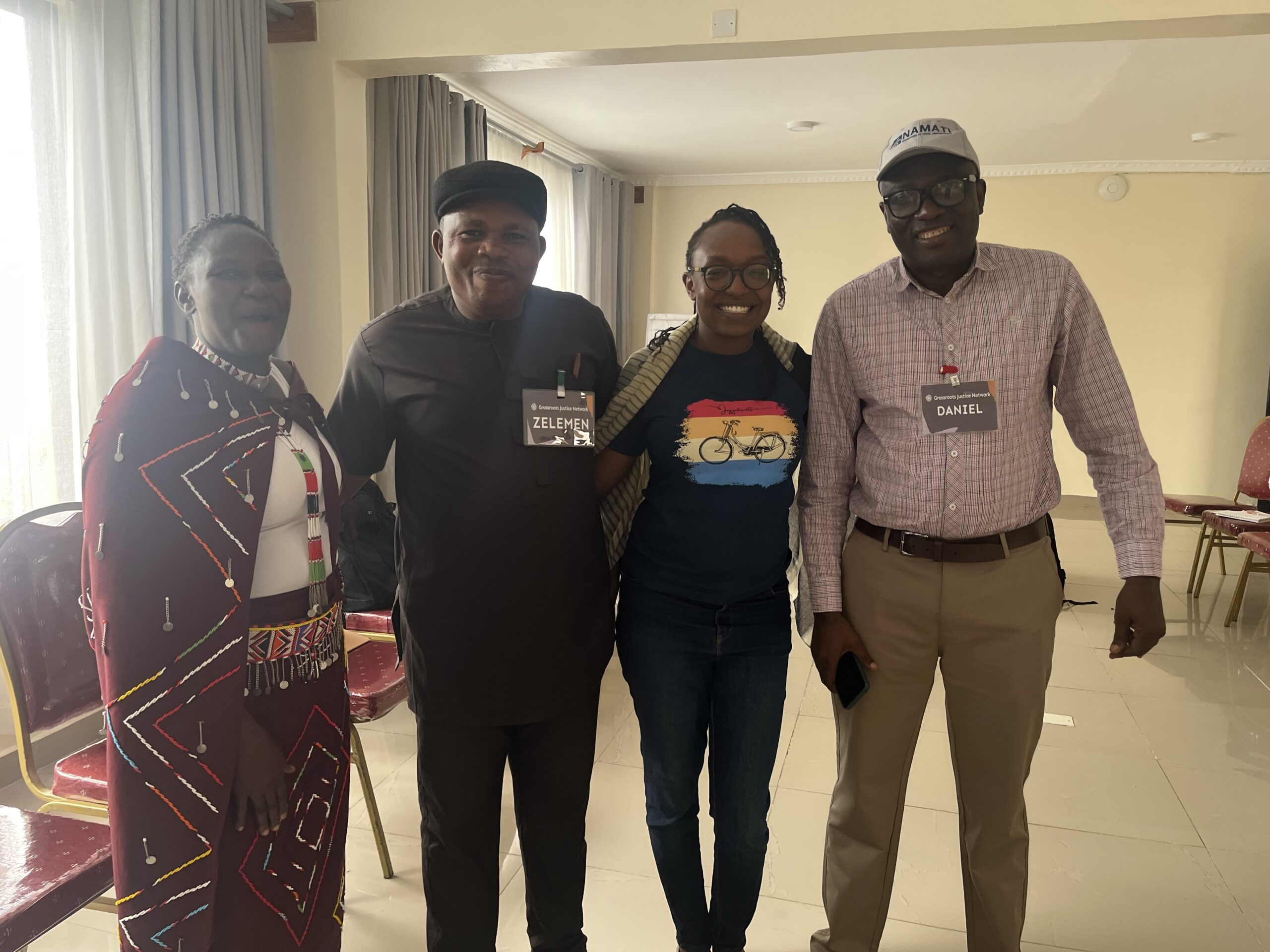
Participants were also resource persons - leading and facilitating sessions throughout the week.
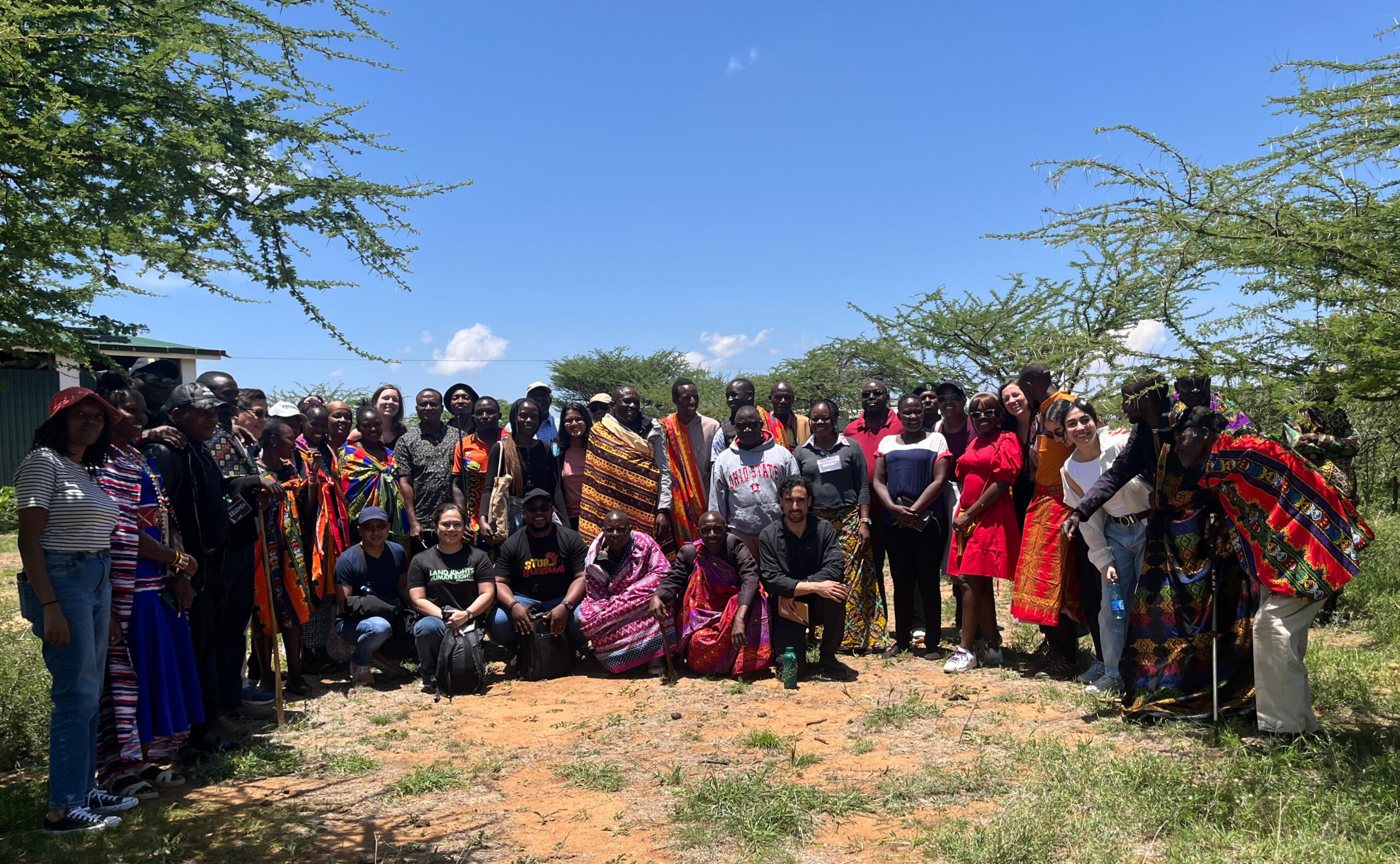
Participants pose for a photo before sessions start.
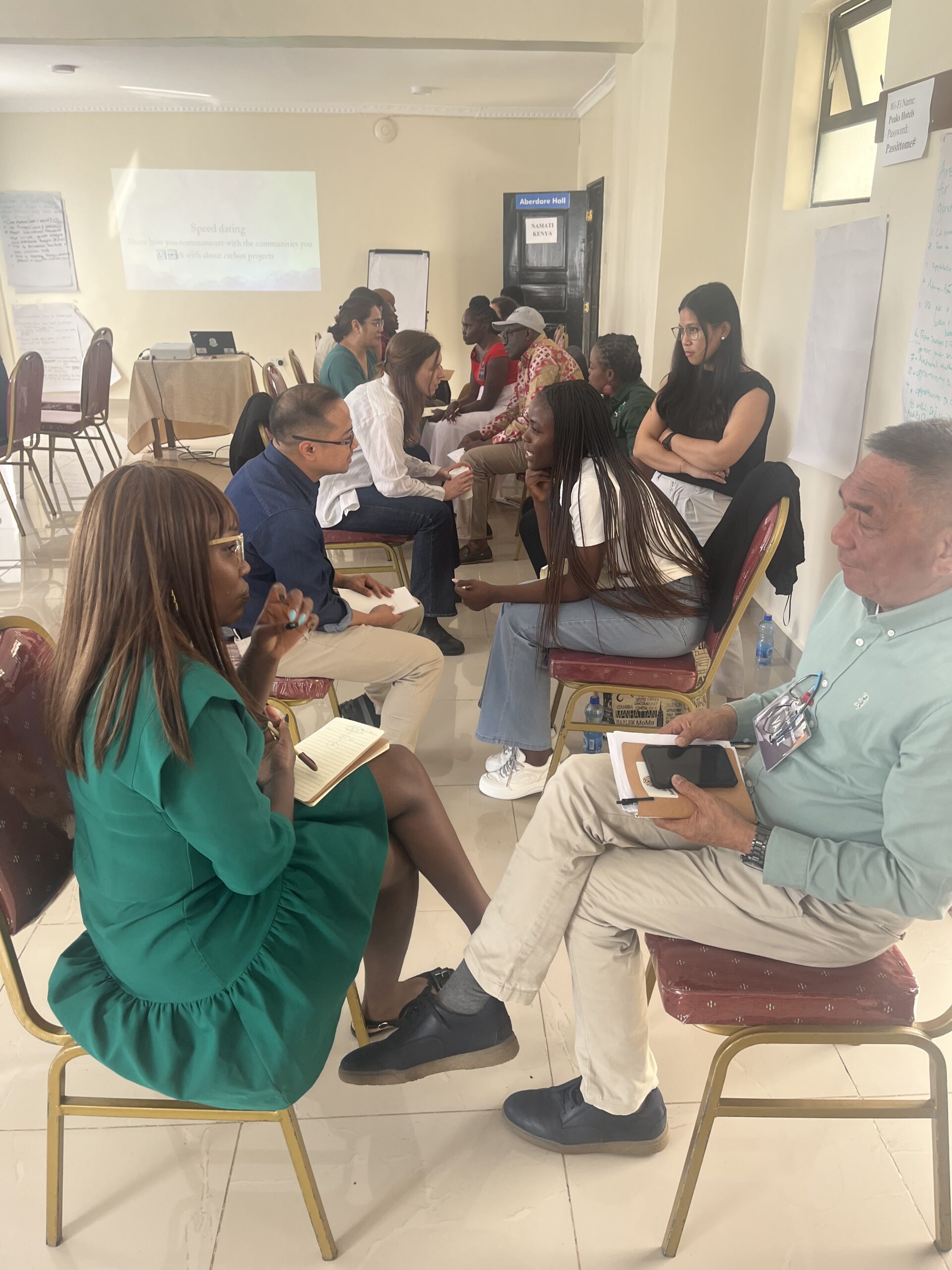
We spent time doing interactive ways of fleshing out our experiences - like speed dating.
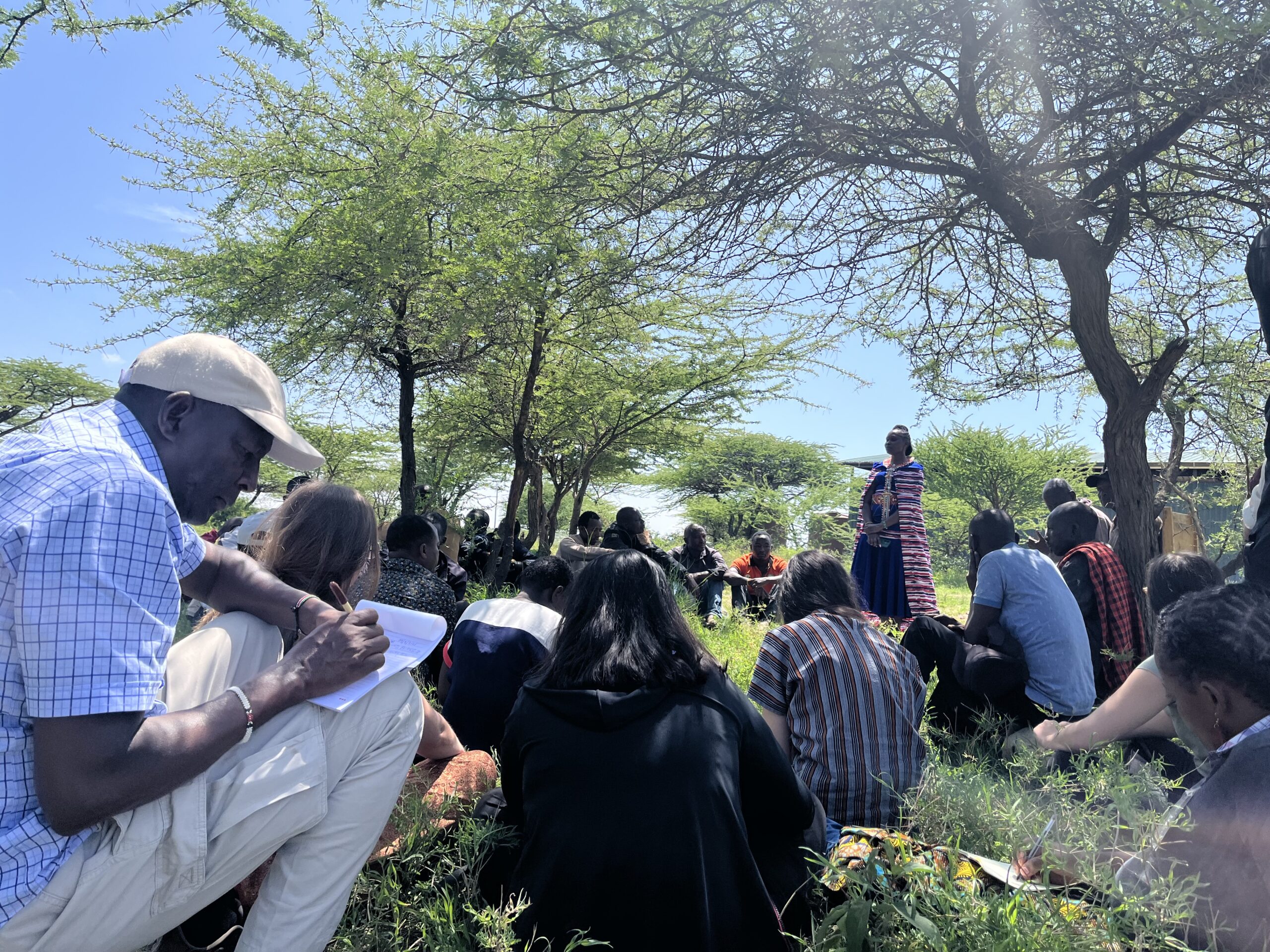
Musul community shares their experience navigating carbon projects in their land.
National ToolkitConvening held in Nanyuki in 2025 to support the learning and training of partner organizations
What we’re doing next
After reflecting on the lived experiences of communities impacted by carbon projects, the dynamic group left with several concrete ideas to improve national legislation, including:
Adding terms in national benefit sharing templates that foster women’s participation and share of control over revenue;
Exploring conditions that enable community-owned carbon projects, such as well-organized community management structures and clear definition of carbon rights, through capacity building programs;
Re-framing benefit sharing to focus on community ownership spectrums and improving the case for increased monetary benefits to communities.
Musul community shares their experience navigating carbon projects in their land.
A dedicated platform through Whatsapp connecting grassroots leaders facing similar challenges in national carbon advocacy is in place, with regular updates sent to those channels. Countries where carbon rules are moving quickly and where GJN and Namati have room for influence would be top priorities moving forward – countries like Kenya, Liberia, Peru, Brazil, Philippines, and Sierra Leone. Shared learning spaces between other countries of concern – Zambia, Chile, Guyana, Zimbabwe, DRC, India, to name a few – would also continue through regular working group meetings, Network-wide calls, and newsletters as part of GJN’s broader campaign on carbon justice.